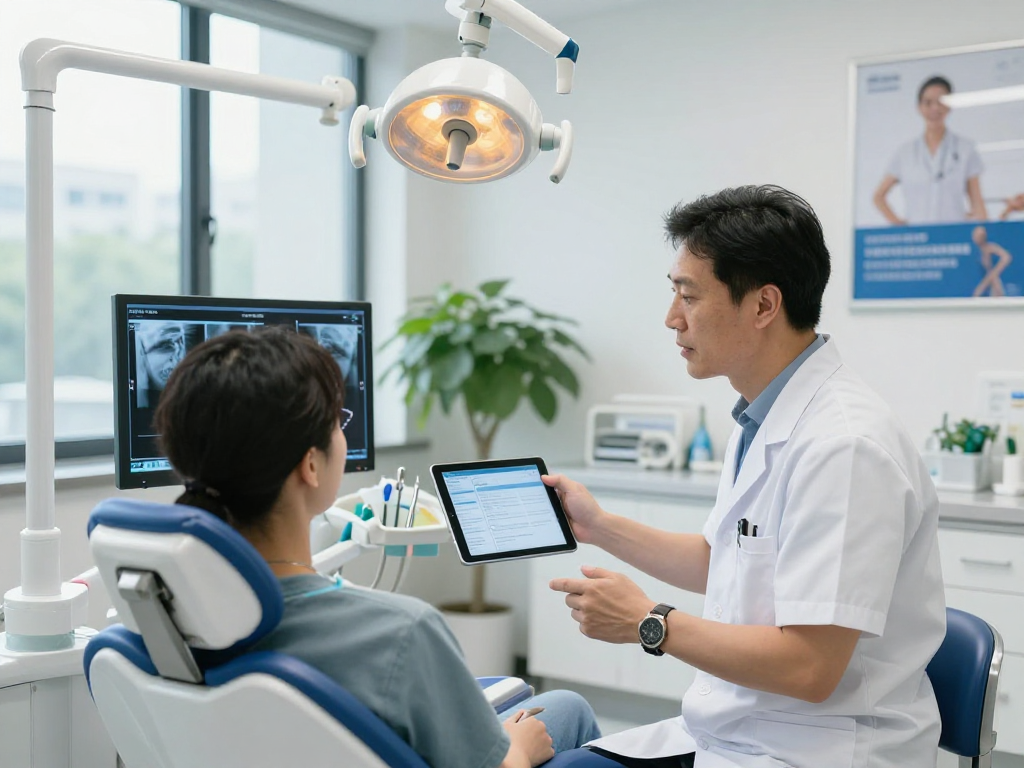
Understanding Kieferorthopädie and Its Importance
Kieferorthopädie, or orthodontics, is a specialized branch of dentistry focused on diagnosing, preventing, and treating dental and facial irregularities. With the increasing awareness of dental aesthetics and the importance of oral health, the role of orthodontics has become pivotal in enhancing not just the appearance but also the functionality of a patient’s bite. Beyond mere aesthetics, orthodontics can play a significant role in improving oral hygiene, preventing gum disease, and enhancing overall well-being. When exploring options, Kieferorthopädie provides comprehensive insights into the various therapeutic approaches available today.
What is Kieferorthopädie?
Kieferorthopädie is defined as the specialty within dentistry that addresses the diagnosis, prevention, and treatment of malocclusions and misaligned teeth. This area of dentistry employs various techniques and appliances, such as braces and aligners, to guide teeth into optimal positions. Furthermore, orthodontists take into account the entire facial structure, which is critical in ensuring that treatment not only aligns teeth but also enhances facial aesthetics and improves function.
The Role of Orthodontics in Dental Health
Orthodontics significantly contributes to overall dental health by enhancing the alignment of teeth and jaws. Proper alignment can lead to improved oral hygiene, as straight teeth are easier to clean, reducing the risk of decay and periodontal diseases. Additionally, orthodontic treatment can mitigate issues like temporomandibular joint (TMJ) disorders, speech impediments, and uneven wear on teeth.
Key Benefits of Orthodontic Treatment
- Improved Aesthetics: A straight and well-aligned smile boosts self-esteem and confidence.
- Enhanced Oral Hygiene: Properly aligned teeth are easier to clean, leading to better oral health.
- Functional Improvement: Correcting bite issues can enhance chewing and speaking abilities.
- Long-Term Dental Health: Effective orthodontic treatment can prevent more serious dental issues in the future.
Legal Framework and Ethical Considerations
Regulations Governing Kieferorthopädie Practices
The practice of Kieferorthopädie is subject to various regulations that ensure the safety and quality of care provided to patients. In Europe, the General Data Protection Regulation (GDPR) plays a significant role in how patient data must be handled, emphasizing transparency, accountability, and the right to privacy.
Patient Rights and Informed Consent
Informed consent is a cornerstone of ethical medical practice, including orthodontics. Patients must be fully educated on the nature of their treatment, the associated risks, and alternatives available. This transparency fosters trust and ensures that patients are active participants in their healthcare decisions.
Ensuring Compliance with GDPR in Patient Records
With the sensitivity of health data, orthodontic practices must adhere to strict GDPR guidelines. This includes safeguarding patient information, maintaining clear documentation on data processing activities, and implementing effective data retention and deletion policies. Compliance not only protects patient rights but also enhances the credibility of the practice.
Common Challenges in Orthodontic Practices
Managing Sensitive Patient Data
Handling sensitive patient data poses significant challenges for orthodontic practices. The secure management of health records, treatment plans, and personal information is paramount. Practices must implement robust security measures, including encryption and access controls, to safeguard this data.
Overcoming Patient Anxiety and Misconceptions
Many patients experience anxiety about orthodontic treatment, often due to misconceptions about the processes involved or the discomfort associated with appliances. Educating patients about the benefits and realities of treatment can alleviate these fears and ensure a smoother journey.
Coordination Among Multiple Practitioners
In situations where multiple healthcare providers are involved, maintaining clear communication and coordination is essential. Patients must be informed about each provider's role in their treatment to avoid confusion and ensure continuity of care.
Best Practices for Kieferorthopädie Implementation
Effective Communication with Patients
Effective communication is the cornerstone of successful orthodontic practice. Engaging with patients through their preferred channels—be it in-person consultations, digital platforms, or educational materials—ensures they are well-informed at every stage of their treatment.
Utilizing Technology for Improved Outcomes
The use of technology, such as 3D imaging and computer-aided design of aligners, has revolutionized orthodontic treatments. These innovations not only enhance accuracy in treatment planning but also improve patient experience and comfort.
Training for Staff and Ongoing Education
Continuous education and training for orthodontic staff are essential in maintaining high standards of care. Regular workshops and seminars equip staff with the latest knowledge and techniques, enhancing service delivery within the practice.
Future Trends in Orthodontics and Kieferorthopädie
Innovations in Treatment Methods
The field of Kieferorthopädie is rapidly evolving, with ongoing research and technological advancements driving innovations. Treatments are becoming less invasive and more efficient, catering to patients’ needs and preferences.
Impact of Telemedicine on Orthodontic Care
Telemedicine is emerging as a revolutionary trend in healthcare, including in orthodontics. Virtual consultations and remote monitoring can enhance patient access to care, particularly for those in underserved areas.
Predictions for Patient Engagement in 2026
As we move towards 2026, we can anticipate a shift in patient engagement, driven by increased digitalization. Patients will seek more interactive and personalized experiences, integrating technology into their treatment journeys.
What are the key benefits of orthodontics?
The key benefits of orthodontic treatment include aesthetic improvements, enhanced oral hygiene, functional corrections, and long-term oral health benefits.
How do I know if I need Kieferorthopädie?
If you experience misaligned teeth or jaws, difficulty in biting or chewing, or aesthetic concerns, seeking an evaluation from an orthodontist can help determine if you need treatment.
What are the latest technologies in orthodontics?
Recent advancements include clear aligners, 3D imaging technology, and AI-assisted treatment planning, all aimed at providing more effective and patient-friendly orthodontic care.
What are the common misconceptions about orthodontics?
Common misconceptions include beliefs that braces are only for children, that treatment is excessively painful, and that orthodontics focuses solely on aesthetics. Educating patients about the realities can help dispel these myths.
How can I ensure privacy in my orthodontic practice?
To ensure privacy, practices must follow GDPR regulations, implement robust security measures, and provide training for staff to handle sensitive information properly.